

Listening to Our Animal Kin.
Legal & Ethical Principles for Nonhuman Animal Communication Technologies.
Published November 2025 by the NYU More-Than-Human Life (MOTH) Program
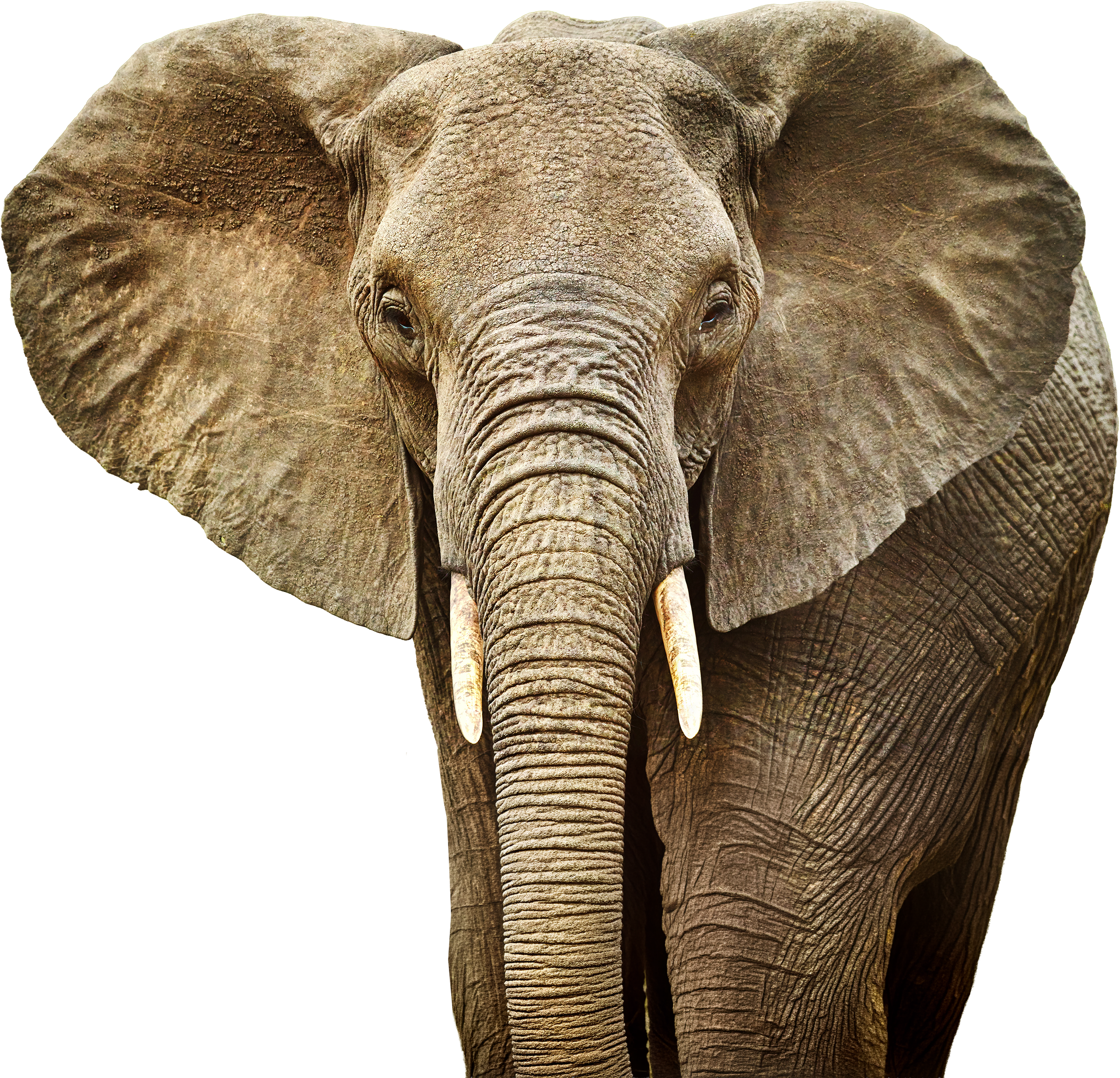

The PEPP Framework (Prepare, Engage, Prevent, and Protect) is the first set of legal and ethical principles for the responsible development and deployment of nonhuman animal communication technologies (or NACTs) — tools and systems that use artificial intelligence, machine learning, and advanced robotics to record, analyze, and potentially translate animal communications.
This Framework is offered as a starting point for iterative, constructive dialogue according to which NACT actors may be able to converge on a shared set of principles to inform their work.

What are Nonhuman Animal Communication Technologies (NACTs)?
The positive potential of these technologies is enormous. NACTs could deepen human empathy for the more-than-human world, inform conservation strategies, support legal actions for animal rights, and amplify nonhuman voices in human decision-making processes. But like every powerful technology, they carry serious risks.
Those risks are wide-ranging: physical harm to research subjects, cognitive and emotional distress, disruption of the social structures and relational bonds that sustain nonhuman communities, and broader ecological damage that can ripple far beyond the animals directly involved. They are compounded by the possibilities of commercialization, military application, use by untrained actors, and by the fact that some of the harms NACTs can cause are irreversible. Past technologies offer cautionary tales. Cameras, drones, microphones, and hydrophones have been used to identify, understand, and protect nonhuman animals — but also to track, exploit, and harm them. Digital technologies and machine learning could exponentially increase the scale and speed of those harms.
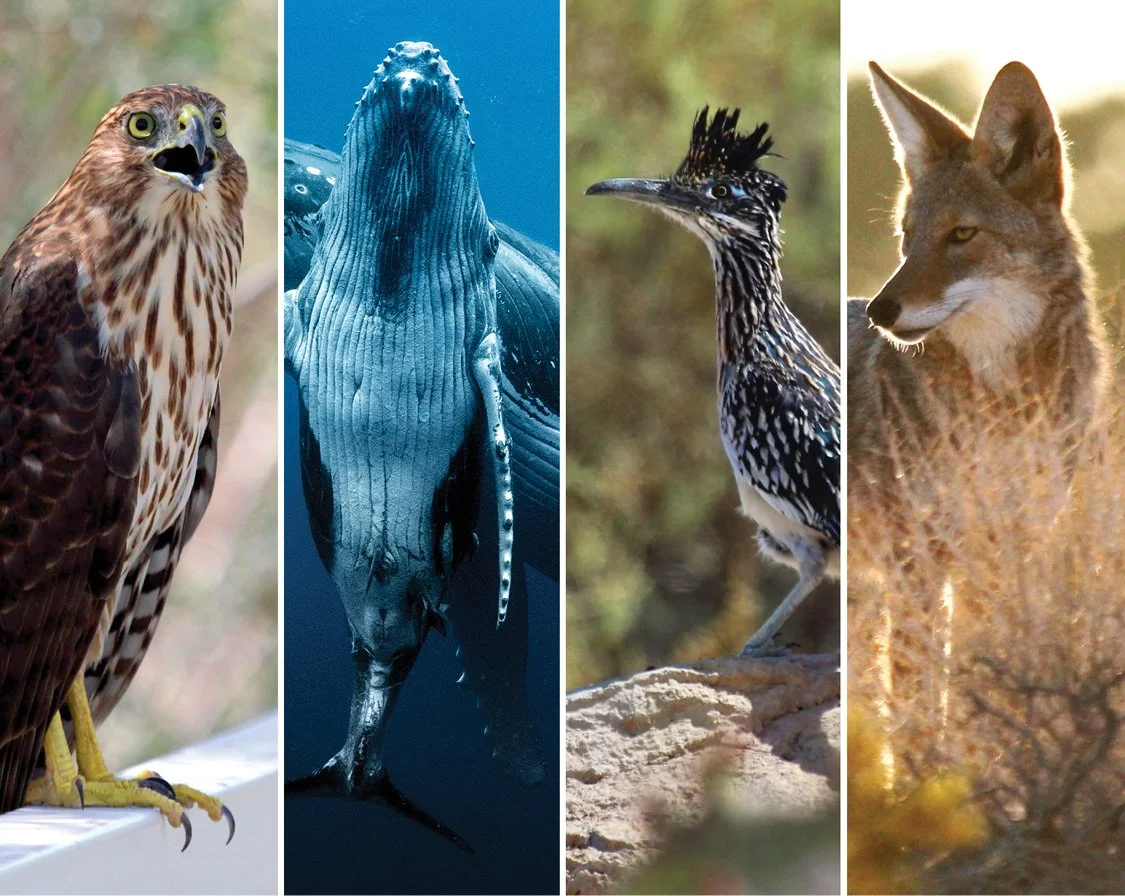
“Desert animal collage” by Monkeystyle3000 is licensed under CC BY 2.0. View a copy of this license.
As with contemporary analogues like artificial intelligence and social media, the rapid growth of NACTs has far outpaced the development of legal and ethical guardrails. Few shared standards exist, and no binding rules govern the specific field. A regulatory vacuum surrounds this emerging field at a critical moment in its nascent development.
The PEPP Framework exists to help fill it.

About the Framework
Led by the NYU MOTH Program and developed through a multi-year research project and collaborative process, the PEPP Framework proposes twelve principles organized under four guiding pillars. It is designed for voluntary adoption by researchers, funders, engineers, and all actors involved in NACT design and deployment. As the field matures and more actors adopt these standards, the principles could evolve into binding regulations at institutional, professional, and governmental levels.
-
Prepare
to meet the Framework’s substantive and procedural obligations by operationalizing experimental design best practices and robust governance protocols with continuous diligence and accountability.
-
Engage
a diverse set of stakeholders and perspectives to ensure that the Framework is implemented with expertise and equity, and in a spirit of kinship with the living world.
-
Prevent
harms resulting from the use of NACTs by embedding precautionary and risk management practices across the full lifecycle of NACT activity.
-
Protect
the autonomy, best interests, and rights of all humans and nonhuman animals, in the context of their ecological surroundings.
-
Addresses the regulatory vacuum surrounding technologies that can record, analyze, and translate nonhuman animal communications
Establishes standards grounded in a non-anthropocentric perspective that recognizes nonhuman animals as subjects with intrinsic value, not objects for human use
Provides practical guidance tailored to every stage of a NACT's lifecycle — from design through deployment, monitoring, and harm remediation
Calls for meaningful engagement with relevant experts and diverse perspectives, including Indigenous knowledge systems and communities whose ancestral lands and waters are shared with NACT research subjects
Is designed as a living document, open to iterative revision as the field and collective understanding evolves
The Process
The PEPP Framework emerged from a comprehensive research project undertaken by the NYU MOTH Program. The process began with a rigorous analysis of the risks posed by NACTs — physical, mental, relational, and ecological. The MOTH Program then examined existing legal and ethical frameworks (including laws, regulations, jurisprudence, ethical and professional standards, and codes of conduct) that bear on the legal, ethical, and practical considerations raised by NACTs. Several fields of study and practice emerged as especially relevant to the growing NACT field: animal welfare and research, research ethics, bioethics, environmental law, data governance, corporate accountability, and AI, among others.
The NACT risk analysis and resulting principles were refined through extensive consultation with an interdisciplinary group of experts and peer reviewers, including specialists in animal welfare, human and animal research ethics, environmental law, data governance, and AI. That collaborative process culminated in a workshop held at NYU School of Law in November 2024, co-hosted by the MOTH Program and Project CETI (Cetacean Translation Initiative).
The Framework’s legal and ethical principles are proposed as a living foundation for iterative development and as a framework for global and interdisciplinary collaboration. Collaborative research, consultation, and participatory development processes remain underway, and the MOTH Program will continue to produce future iterations of the Framework.
The full findings are presented in the report Listening to Our Animal Kin: Legal and Ethical Principles for Nonhuman Animal Communication Technologies, published November 2025.
Questions and inquiries can be directed to Jacqueline Gallant and Emma Crowe.